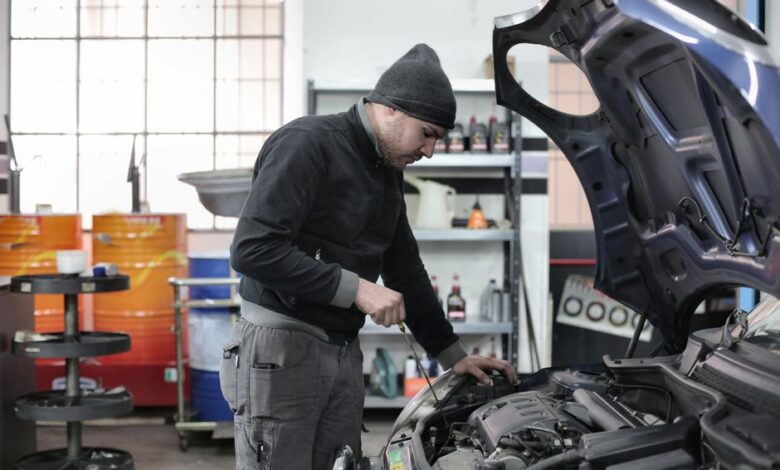
A long drive can be an enjoyable way to explore new places, visit family, or take a weekend getaway. However, before setting out, it is important to make sure your vehicle is prepared for several hours on the road. Even a reliable Toyota needs routine checks to help prevent unexpected problems and keep everyone comfortable during the journey. Whether you drive a sedan, SUV, truck, or hybrid, taking time to inspect essential components can make a meaningful difference. If your vehicle is due for maintenance, a Toyota dealer near Renton can help you determine whether it needs professional attention before your trip.
1. Inspect Your Tires and Tire Pressure
Your tires are among the most important components to check before a long drive. They maintain contact with the road, influence handling, and affect braking performance. Incorrect pressure or worn tread can make driving less predictable, especially during heavy rain or sudden maneuvers.
Start by checking the pressure in all four tires when they are cold. Use the recommended pressure listed in your Toyota owner’s manual or on the tire information label inside the driver’s door area. Avoid using the maximum pressure printed on the tire sidewall as your target.
Next, inspect the tread and sidewalls. Look for cracks, bulges, embedded objects, cuts, and uneven wear. Uneven tread wear may indicate an alignment or suspension issue that needs attention. If your Toyota has a spare tire, check its condition and pressure as well.
If you notice significant damage or the tires cannot maintain the correct pressure, have them inspected by a tire professional before traveling.
2. Check Engine Oil and Other Essential Fluids
Fluids help your Toyota’s major systems operate correctly. Before a long journey, check the engine oil level according to the instructions in your owner’s manual. Park on level ground, follow the recommended procedure, and make sure the engine is in the appropriate condition for an accurate reading.
If the oil level is low, add the correct type of oil specified for your vehicle. Also consider whether an oil change is due based on your mileage, time since the last service, and driving conditions.
Coolant is equally important because it helps regulate engine temperature. Check the coolant reservoir when the engine is completely cool. Never open a hot radiator cap, as pressurized coolant can cause serious burns.
Depending on your Toyota model, other fluids may include brake fluid, transmission fluid, and power steering fluid. Some newer vehicles use systems that do not require routine owner checks in the same way as older models. Follow the vehicle-specific instructions rather than opening sealed systems or adding fluids unnecessarily.
Finally, check the windshield washer reservoir and refill it if needed. Good visibility becomes especially important when driving through rain, road spray, or areas with heavy traffic.
3. Test the Brakes Before Leaving
A long journey can involve highway speeds, steep roads, traffic congestion, and unexpected stops. Your braking system should be in good condition before you begin.
Pay attention to how the brakes feel during normal driving. A soft or unusually firm pedal, vibration when braking, grinding sounds, or squealing that persists may indicate a problem. You should also watch for brake warning lights on the dashboard.
Do not ignore these signs simply because the vehicle still stops. Brake pads, rotors, hydraulic components, and other parts may need professional inspection or replacement.
If you notice reduced braking performance, a brake fluid warning, or unusual pedal behavior, have the vehicle checked before traveling. Avoid taking a long trip until a potentially serious braking issue has been addressed.
4. Examine the Battery and Charging System
A weak battery can turn an ordinary departure into an inconvenient roadside problem. Batteries may become less reliable as they age, particularly when exposed to temperature extremes or repeated short trips.
Look for visible corrosion around the battery terminals, damaged cables, or signs that the battery is not securely mounted. If your Toyota starts slowly, the lights appear unusually dim, or electronic systems behave inconsistently, the battery or charging system may need testing.
A visual inspection cannot confirm how much useful life remains in a battery. If it is several years old or has recently caused starting problems, arrange a battery test before your trip. A technician can also assess whether the charging system is operating correctly.
Hybrid and electric Toyota models have additional high-voltage systems that should be serviced by appropriately trained professionals. Do not attempt to inspect or repair high-voltage components yourself.
5. Check Lights, Wipers, and Visibility
Good visibility helps you recognize hazards and respond to changing road conditions. Before leaving, test the headlights, brake lights, turn signals, hazard lights, and reverse lights. Ask someone to help confirm that the rear lights work if you cannot see them from the driver’s seat.
Inspect the windshield for cracks or chips that could obstruct your view. Small damage may spread because of temperature changes or vehicle vibration, so consider professional repair before it becomes more serious.
Turn on the windshield wipers and use washer fluid to check how effectively they clear the glass. Replace blades that leave streaks, skip across the windshield, or have cracked rubber.
Make sure the mirrors are clean and properly adjusted. If your Toyota has a rearview camera or driver-assistance features, check for visible obstructions and review any dashboard warnings. These systems can support safe driving, but they do not replace careful observation.
6. Look for Leaks, Damaged Hoses, and Unusual Noises
A quick walk-around can reveal problems that might otherwise go unnoticed until you are far from home. Check the ground beneath your parked Toyota for fresh puddles or unusual stains. Clear water from the air conditioning system can be normal, but unexplained colored or oily fluids deserve attention.
With the engine off and cool, look for obvious damage to accessible hoses and belts. Cracks, bulges, fraying, or signs of leakage may indicate that a component needs professional inspection.
Pay attention to changes in how your vehicle sounds. New knocking, grinding, squealing, or rattling noises can point to developing mechanical problems. Dashboard warning lights should also be taken seriously.
If you find a significant leak, smell burning, or notice a serious warning light, do not assume the vehicle will be fine for another few hundred miles. Have the problem assessed before setting off.
7. Review Scheduled Maintenance and Recall Information
A vehicle can appear to be in good condition and still be due for important maintenance. Check your Toyota’s maintenance records and owner’s manual to see whether an oil change, tire rotation, inspection, or other scheduled service is approaching.
Toyota provides model-specific maintenance schedules through its owner resources. Following the correct schedule helps ensure that service decisions reflect your vehicle’s age, mileage, and requirements rather than a general estimate.
It is also worth checking for outstanding safety recalls using your vehicle identification number (VIN). If a recall applies, review the manufacturer’s instructions and arrange the required remedy.
If your trip is especially long or your vehicle has recently shown warning signs, a professional pre-trip inspection can provide additional reassurance.
8. Prepare an Emergency Kit and Plan Your Route
Even a well-maintained vehicle can experience an unexpected issue. Keeping a few useful supplies in your Toyota can make a delay easier to manage.
Consider packing:
- A first-aid kit, flashlight, drinking water, and basic emergency supplies.
- A phone charger or power bank and roadside assistance contact information.
- A tire pressure gauge and the appropriate equipment for your vehicle’s tire setup.
Check weather forecasts, traffic conditions, road closures, and fuel or charging stops before leaving. Plan rest breaks rather than attempting to drive for too many hours without a pause. Ensure that luggage is secured, seat belts fit correctly, and floor mats cannot interfere with the pedals.
Conclusion
Preparing your Toyota for a long drive involves more than filling the fuel tank and entering a destination into your navigation system. Checking tires, fluids, brakes, battery condition, lights, and visible mechanical components can help identify potential problems before they interrupt your plans. Reviewing scheduled maintenance and packing emergency supplies adds another layer of preparation.
If you discover a warning sign or are unsure about your vehicle’s condition, seek professional advice before traveling. A few careful checks can help you begin your journey with greater confidence and focus on enjoying the road ahead.