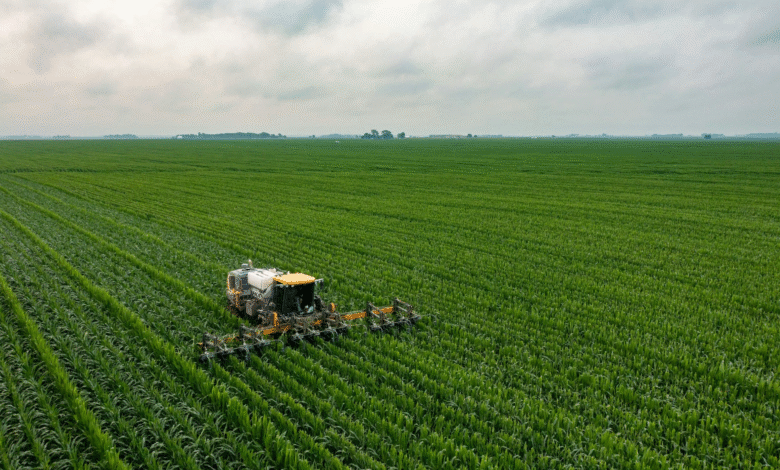
Modern farming has come a long way from the days of purely manual labor and guesswork. Today’s agricultural producers are juggling rising costs, unpredictable weather patterns, and growing consumer demand, often all at the same time. To stay competitive, farmers across the globe are turning to smarter methods, innovative tools, and data-driven strategies. The result? A new era of agriculture that gets more done with far less waste.
Precision Agriculture Technology
Precision agriculture uses GPS mapping, sensors, and data analytics to help farmers apply resources exactly where and when they’re needed. Rather than treating an entire field the same way, farmers can pinpoint problem areas and address them individually. This cuts down on the overuse of fertilizers, water, and pesticides while boosting overall yield. The technology tends to pay for itself quickly through reduced input costs and stronger harvests season after season.
Drone Surveillance and Crop Monitoring
Drones have quietly become some of the most essential tools in modern farm management. Equipped with cameras and infrared sensors, they can scan large fields in minutes and flag issues like pest infestations, nutrient deficiencies, or irrigation problems before they spiral out of control. Catching these issues early prevents crop loss and reduces the need for expensive interventions down the line. Many farmers now run routine drone inspections as a standard part of their weekly operations.
Automated Irrigation Systems
Water management is one of the biggest ongoing challenges in farming, and automated irrigation systems are making a real difference. These systems rely on soil moisture sensors and real-time weather data to deliver the right amount of water at precisely the right time. Farmers no longer have to manually monitor fields or guess when crops need hydration. The payoff is healthier plants, noticeably lower water bills, and far less time spent trudging through the field.
Livestock Wearable Technology
Wearable tech is not just for humans anymore. Farmers raising livestock are now attaching smart sensors to animals to monitor health, location, and behavior in real time. Early detection of illness or stress within a herd can save entire groups of animals and prevent costly veterinary bills from piling up. These devices send alerts directly to a farmer’s smartphone, keeping them informed no matter where they happen to be.
Soil Health Management
Healthy soil is the foundation of productive farming, and modern farmers are investing seriously in understanding it better. Regular soil testing and the strategic use of cover crops help maintain nutrient levels and prevent erosion over time. Many producers are also adopting regenerative practices that gradually improve long-term soil structure and fertility. This commitment to soil health consistently leads to stronger crops and more sustainable operations year after year.
Farm Management Software
Running a farm means tracking expenses, schedules, inventories, and equipment maintenance all at once, which is no small feat. Farm management software brings everything into a single platform, making it easier to stay organized and make confident, well-informed decisions. Farmers can dig into performance data from previous seasons to plan more effectively going forward. That kind of organizational clarity saves both time and money throughout the entire year.
Integrated Pest Management
Rather than relying on blanket pesticide applications, many farmers are shifting toward integrated pest management strategies. This approach blends biological controls, crop rotation, habitat modification, and targeted chemical use to keep pest populations in check without overloading the environment. It tends to be more cost-effective and significantly reduces chemical runoff into local ecosystems. Farmers who commit to this method often report healthier fields and improved long-term productivity as a result.
Renewable Energy on the Farm
Solar panels and wind turbines are increasingly common sights on modern farms, and for good reason. By generating their own electricity, farmers can cut utility costs substantially and even sell excess power back to the grid. Renewable energy powers irrigation pumps, storage facilities, and processing equipment without the uncertainty of fluctuating fuel prices. The upfront investment typically leads to significant savings within just a few years.
Diversified Revenue Streams
Smart farmers are no longer putting all their eggs in one basket. Many are expanding their operations by incorporating beekeeping and equipment management, which supports pollination and opens up honey production alongside traditional crops. Agritourism, farmers markets, and value-added products are other popular avenues for generating additional income throughout the year. Diversification provides a reliable financial cushion when commodity prices dip or weather disrupts primary crops.
Worker Training and Skill Development
Even the best technology is only as effective as the people operating it. Investing in regular training for farm workers improves safety, reduces equipment errors, and gives overall productivity a meaningful boost. Well-trained staff are better equipped to spot problems early, follow established protocols, and adapt to new systems without missing a beat. A skilled, knowledgeable team remains one of the most valuable assets any farming operation can hold onto.
Conclusion
Modern farming is ultimately defined by adaptability and a genuine willingness to embrace change. From cutting-edge technology to smarter day-to-day management practices, today’s farmers are finding creative ways to produce more while spending less. Each strategy outlined here contributes to a more resilient and profitable agricultural operation over the long run. Whether managing a small family farm or a large commercial enterprise, there has never been a better time to explore what meaningful efficiency improvements can do for the bottom line.