Graham Gouldman: The Quiet Genius Behind British Pop Greatness
A deep look at the songwriter, 10cc co-founder, and enduring creative force who shaped generations of music

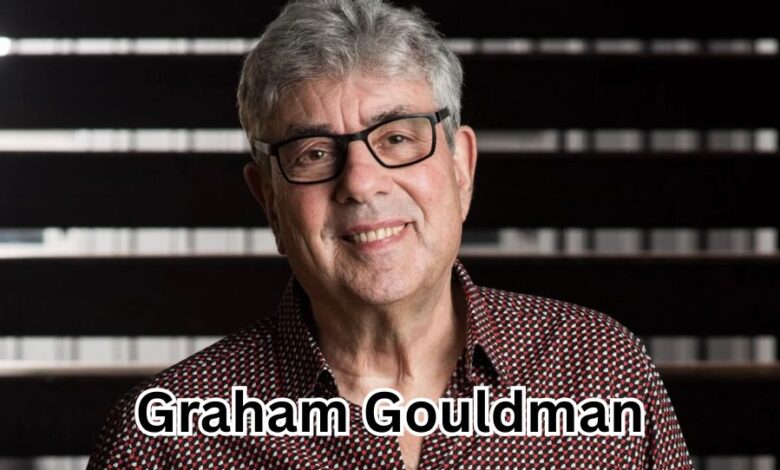
Graham Gouldman stands as one of the most important yet understated figures in British pop music. Unlike many artists who relied on image or controversy, Gouldman built his reputation through craft and consistency. His career is synonymous with classic songwriting, melodic brilliance, and an ability to evolve with the changing sound of popular music. From the 1960s onward, he shaped British rock and pop, first writing for others and later as a central voice in 10cc.
What makes Graham Gouldman such a fascinating figure is not only the length of his career but also the quality of his contribution across different musical eras. He has written chart hits, performed memorable songs, and remained relevant in a highly competitive industry for decades. His work combines wit, emotional depth, and technical excellence, making him a respected artist among fans, critics, and fellow musicians alike.
Early Life and Musical Beginnings
A Manchester Talent with Big Ambitions
Growing up in Manchester, England—a city that would later become a hub of British pop—Graham Gouldman was immersed in a creative atmosphere. His father was involved in music and theatre, which inspired Gouldman’s early passion for songwriting and performance. This nurturing environment gave him an enduring sense of melody, structure, and storytelling. These skills would lay the foundation for the distinctive qualities of his later work as he transitioned into songwriting.
Moving from his formative years into adolescence, Gouldman quickly distinguished himself as a talented songwriter. By his teenage years, he was already creating polished, catchy, emotionally resonant songs—solidifying his reputation as a songwriter, even before widespread recognition as a performer followed.
Graham Gouldman as a Hit Songwriter in the 1960s
Writing Classics for Other Artists
Before his performance career, Gouldman wrote hits for others, showing his knack for pop appeal. He wrote “For Your Love” for The Yardbirds, defining mid-1960s British rock. “Heart Full of Soul” and “Evil Hearted You” also established him as a writer of distinction.
Demonstrating impressive versatility, Gouldman did not confine his writing to one group or style. Songs like “No Milk Today” for Herman’s Hermits and “Bus Stop” for The Hollies showcased his ability to navigate different tones and musical identities. These tracks became more than just commercial successes—they contributed meaningfully to the soundtrack and evolution of British pop, bridging his individual achievements to the wider movement.
A Songwriter with Range and Intelligence
What separated Graham Gouldman from many other writers of the period was his range. He could write romantic, reflective, playful, or slightly ironic songs without ever losing the melodic strength that made them memorable. His lyrics often had a sense of observation and subtle sophistication, which gave even simple pop songs an extra level of appeal. In an age full of musical experimentation, Gouldman proved that smart songwriting could still reach mainstream audiences.
The Formation of 10cc
A New Chapter in British Rock
Gouldman’s career changed when he co-founded 10cc with Eric Stewart, Kevin Godley, and Lol Creme. The band quickly became known for originality. 10cc blended rock, art pop, satire, studio tricks, and harmonies unlike most bands.
For Gouldman, 10cc provided the ideal setting to expand beyond songwriting for others and step into a more visible creative role. The band allowed him to combine his commercial instincts with more adventurous musical ideas. This balance became one of 10cc’s defining qualities and a major reason for its lasting appeal.
Graham Gouldman’s Role in 10cc’s Success
The Writer, Bassist, and Creative Anchor
Within 10cc, Graham Gouldman played a crucial part as songwriter, bassist, and vocalist. He was not always the most flamboyant presence, but his musical judgment and songwriting discipline gave the band a strong foundation. Songs such as “I’m Not in Love,” “The Things We Do for Love,” and “Dreadlock Holiday” remain associated with the brilliance of 10cc, and Gouldman’s influence on the band’s identity was central.
His gift for crafting melodies and shaping song structures helped make 10cc one of the most inventive bands of the 1970s. The group stood out for its ability to sound both accessible and complex at the same time. That balance reflected Gouldman’s musical personality perfectly. He understood how to write songs that could succeed on the radio while also rewarding close listening.
The Enduring Appeal of “Dreadlock Holiday”
One of the clearest examples of Graham Gouldman’s lasting legacy is “Dreadlock Holiday,” a song he co-wrote and which became one of 10cc’s most recognizable recordings. Its distinct rhythm, memorable chorus, and sharp storytelling gave it international success. Even decades later, the track remains widely known, proving Gouldman’s ability to create music that survives changing trends.
Life Beyond the Peak Years
A Career Built on Longevity
Many artists struggle to remain active after their commercial peak, but Graham Gouldman has continued to work with impressive consistency. His career after the band’s most famous years has included solo material, collaborations, live performances, and ongoing creative exploration. Rather than relying solely on nostalgia, he has remained involved in music as a living art form.
Continuing to perform live and share his music with both new and dedicated fans, Gouldman’s drive highlights that he is not just a legacy from pop’s past but a continually evolving artist. His enduring connection to audiences demonstrates how lifelong adaptability can reinforce and extend musical impact.
Why Graham Gouldman Still Matters
Influence on British Pop and Songwriting
Gouldman matters because his work embodies the best of British songwriting—intelligence without pretension, melody without weakness, and creativity without chaos. His songs are recorded by major artists, embraced by wide audiences, and admired by serious music lovers. Few musicians have such a balanced legacy.
British pop history often spotlights louder names. Yet Gouldman’s contributions run deeper. He shaped pop songwriting and showed that subtle artistry endures.
Conclusion
Graham Gouldman deserves recognition as an architect of British pop. From his start as a songwriter in Manchester to his role in 10cc, he’s shown versatility, discipline, and artistic imagination. His songs span generations, his influence is heard in modern songwriting, and his career is an example of creative endurance.
For those interested in classic rock, British music history, or songwriting, Graham Gouldman’s story is rich and rewarding. He may not be the loudest name in music, but he’s among the most important—his legacy endures because it’s built on quality, not noise.
(FAQs)
Who is Graham Gouldman?
Graham Gouldman is a British songwriter, singer, and musician best known for writing hit songs in the 1960s and for co-founding the band 10cc. He is widely respected for his influence on British pop and rock music.
What songs did Graham Gouldman write?
Graham Gouldman wrote several famous songs, including “For Your Love,” “Heart Full of Soul,” “Bus Stop,” and “No Milk Today.” He also helped create many important 10cc songs.
Why is Graham Gouldman important in music history?
He is important because he succeeded both as a songwriter for other artists and as a member of an innovative band. His work helped shape the sound of British pop music across different decades.
Was Graham Gouldman a member of 10cc?
Yes, Graham Gouldman was one of the founding members of 10cc and played a major role in the band’s songwriting, musical direction, and long-term success.
What makes Graham Gouldman unique as a songwriter?
His songwriting stands out because of its melody, intelligence, emotional control, and ability to appeal to both mainstream listeners and serious music fans.