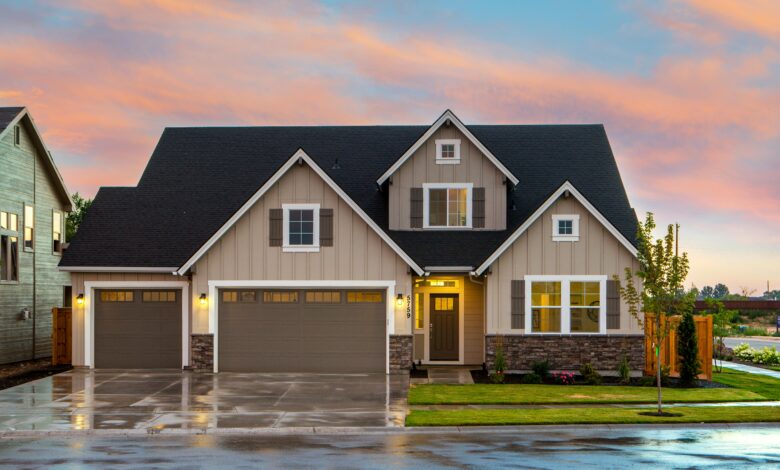
When people think about reducing electricity bills, they often focus on appliances, insulation, or energy-efficient lighting. However, one factor that many homeowners overlook is house orientation—the direction your home faces and how it is positioned relative to the sun.
House orientation can significantly affect indoor temperatures, natural lighting, and overall energy use. Depending on how your home is positioned, it may naturally stay cooler in the summer or warmer in the winter. This can influence how often heating or cooling systems run, which directly affects electricity consumption.
In this article, we’ll explore how house orientation affects energy use, why sunlight matters, and how homeowners can take advantage of their home’s position to improve energy efficiency.
What Is House Orientation?
House orientation refers to the direction a home faces and how its windows and walls interact with sunlight throughout the day.
Because the sun rises in the east and sets in the west, different sides of a house receive varying amounts of sunlight during the day.
For example:
- East-facing areas receive morning sunlight.
- South-facing areas receive the most sunlight throughout the day.
- West-facing areas receive strong afternoon sunlight.
- North-facing areas receive the least direct sunlight.
These sunlight patterns can affect indoor temperatures and lighting conditions in different parts of the home.
How Sunlight Influences Energy Use
Sunlight naturally warms indoor spaces when it enters through windows. This can either help or hurt your home’s energy efficiency depending on the season.
In colder months
Sunlight entering through windows can naturally warm rooms, reducing the need for heating.
In warmer months
Direct sunlight can raise indoor temperatures, causing air conditioning systems to run more frequently.
This means the direction your home faces can impact how much your heating or cooling systems work throughout the year.
South-Facing Homes and Energy Efficiency
In many regions of the Northern Hemisphere, south-facing homes often receive the most sunlight during the day.
This can offer several benefits:
- Increased natural light
- Passive solar heating during winter
- Reduced need for artificial lighting during the day
During colder months, sunlight entering south-facing windows can help warm the home naturally.
However, in hot climates or during summer, too much sunlight can increase cooling needs if windows are not shaded properly.
Using window coverings, awnings, or trees can help control the amount of sunlight entering the home.
West-Facing Homes and Afternoon Heat
West-facing homes receive strong sunlight in the afternoon when outdoor temperatures are often at their highest.
This can cause indoor temperatures to rise significantly during the late afternoon and early evening.
As a result, air conditioning systems may need to run longer to maintain comfortable indoor temperatures.
Some ways homeowners reduce west-facing heat include:
- Installing reflective window films
- Using heavy curtains or blinds
- Planting trees or installing outdoor shading
These strategies help reduce heat gain during the hottest part of the day.
North-Facing Homes and Consistent Temperatures
North-facing homes generally receive the least direct sunlight.
While this may reduce cooling costs in hot climates, it can also mean that homes receive less natural warmth during winter.
Because of this, north-facing homes may rely more on heating systems in colder seasons.
However, they often maintain more consistent indoor temperatures throughout the day.
The Role of Windows in House Orientation
Windows play a major role in how house orientation affects energy consumption.
Large windows facing the sun can bring in natural light and warmth but can also allow heat to escape during colder weather if they are poorly insulated.
Modern energy-efficient windows help reduce heat transfer by using:
- Double or triple glazing
- Low-emissivity (Low-E) coatings
- Insulated window frames
These technologies help maintain indoor temperatures while still allowing natural light into the home.
Landscaping and Outdoor Design
Landscaping can also influence how house orientation affects electricity use.
Trees, shrubs, and outdoor structures can provide natural shade and reduce heat entering the home.
Examples include:
- Planting trees on the west side of the house to block afternoon sun
- Using pergolas or awnings over sun-facing windows
- Adding shrubs to help reduce reflected heat from outdoor surfaces
These strategies can help lower cooling demand during warm months.
Natural Lighting and Electricity Use
House orientation also affects how much natural light enters your home.
Homes that receive more daylight may rely less on artificial lighting during the day.
For example:
- South-facing windows can brighten living areas.
- East-facing windows can provide natural morning light.
Using daylight effectively can help reduce electricity use from lighting fixtures.
Energy Costs and Household Planning
While house orientation can influence electricity consumption, energy costs also depend on other factors such as insulation, appliance efficiency, and local electricity pricing.
Some homeowners choose to review local energy plans or research regional electricity costs to better understand how their energy usage affects monthly bills. For example, learning about graford electricity rates or similar regional pricing can help families understand how energy consumption and electricity costs are connected.
Combining energy-efficient home design with thoughtful energy planning can help households manage electricity usage more effectively.
Tips for Improving Energy Efficiency Regardless of Orientation
Even if your home’s orientation cannot be changed, there are several ways to improve energy efficiency.
Use Window Coverings
Curtains, blinds, or shades can help block sunlight during hot days and retain warmth during cooler nights.
Install Energy-Efficient Windows
Upgrading windows can reduce heat transfer and improve insulation.
Improve Insulation
Proper insulation in walls and attics helps maintain indoor temperatures.
Use Smart Thermostats
Smart thermostats can adjust heating and cooling schedules automatically based on household routines.
Plant Trees for Shade
Strategically placed trees can reduce heat entering your home during summer months.
Frequently Asked Questions (FAQs)
Does house orientation really affect electricity bills?
Yes. The direction a house faces can influence how much sunlight enters the home, which affects heating, cooling, and lighting needs.
Which house orientation is most energy efficient?
In many climates, south-facing homes can be energy efficient because they receive consistent sunlight that can help with natural heating.
Do west-facing homes use more electricity?
West-facing homes may experience more afternoon heat, which can increase air conditioning use during warm months.
Can landscaping help reduce electricity use?
Yes. Trees, shrubs, and shading structures can block sunlight and help reduce cooling demand.
Does house orientation affect lighting costs?
Homes with good natural light may rely less on artificial lighting during the day, reducing electricity use.
Can I improve energy efficiency if my home faces the wrong direction?
Yes. Window coverings, insulation, shading, and energy-efficient appliances can help offset orientation-related energy impacts.
Final Thoughts
House orientation plays a bigger role in electricity consumption than many homeowners realize. The direction your home faces affects sunlight exposure, indoor temperatures, and how much heating or cooling your home requires throughout the year.
While you may not be able to change the orientation of your home, understanding how sunlight interacts with your space can help you make smarter energy decisions. Simple improvements like shading windows, upgrading insulation, and using natural light effectively can all contribute to better energy efficiency.
By paying attention to both home design and daily energy habits, homeowners can create comfortable living spaces while keeping electricity use under control.