There’s something magical about the idea of becoming a pilot, the freedom of the skies, the thrill of takeoff, and the unique perspective that comes with viewing the world from above. Yet turning this dream into reality involves much more than just learning how to operate an aircraft. The path from eager beginner to certified pilot requires understanding several crucial aspects that many newcomers simply don’t anticipate. Whether you’re eyeing a commercial aviation career, planning weekend getaways in a small plane, or just captivated by the allure of flight, knowing what’s really involved can make all the difference.
Age and Medical Requirements Matter from Day One
Here’s something that surprises many aspiring pilots: you need to clear some important hurdles before you ever touch the controls. In the United States, you must be at least 17 years old to earn your private pilot’s license, though you can actually start training at 16 and even fly solo before hitting that magic age. What catches people off guard more often, though, is the medical requirement. You’ll need at least a third-class medical certificate from an FAA-authorized Aviation Medical Examiner, basically a comprehensive physical that examines your vision, hearing, heart health, and neurological function.
The Real Cost Extends beyond Initial Estimates
Let’s talk money, because flight training isn’t cheap, and it almost always costs more than you initially expect. Most people budget around $10, 000 to $15, 000 for a private pilot’s license, but that number varies wildly depending on where you train, what type of aircraft you fly, and how quickly you pick things up. These costs cover aircraft rental (charged by flight hours), instructor fees, ground school materials, exam fees, and all sorts of supplementary expenses that add up faster than you’d think. Here’s the thing: while the FAA minimum is 40 flight hours, the average student actually needs 60, 75 hours to reach proficiency.
Understanding Aircraft Systems and Components
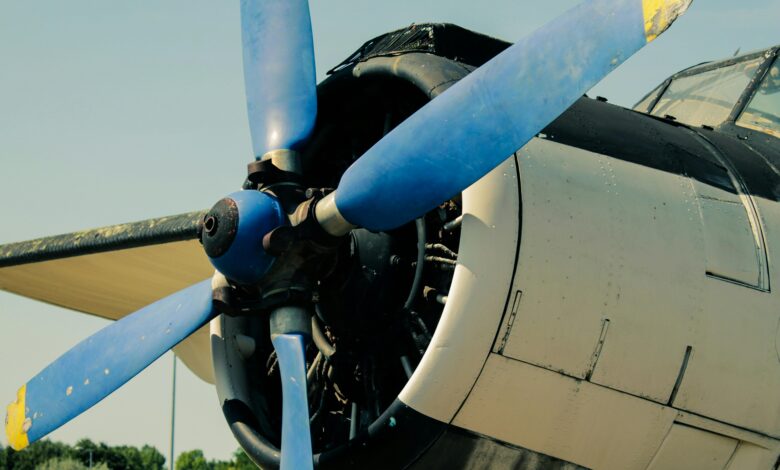
Becoming a competent pilot means understanding what makes your aircraft tick, not just knowing which buttons to push and levers to pull. You’ll need comprehensive knowledge of propulsion systems, flight controls, instrumentation, fuel systems, electrical components, and numerous other elements that work together to keep you safely airborne. Take the electrical system, for example. It powers everything from your navigation lights to your critical flight instruments, making proper maintenance and understanding absolutely essential. During preflight inspections, pilots depend on reliable airplane battery systems to deliver consistent electrical power for engine starts and instrument operation. Regular inspections and proper component care prevent those in-flight emergencies nobody wants to experience. Your training will teach you to conduct thorough preflight checks, examining everything from control surface movement to landing gear condition before every flight. This methodical approach to aircraft knowledge builds the decision-making foundation you’ll rely on throughout your entire flying career.
Ground School Knowledge Is Just as Important as Flight Time
While everyone dreams about the flying itself, here’s a reality check: what you learn on the ground matters just as much as what you practice in the air. Ground instruction covers aerodynamics, weather theory, navigation, federal aviation regulations, radio communication procedures, and aircraft systems in exhaustive detail. These subjects aren’t just boxes to check, they’re the theoretical foundation that makes everything you do in the cockpit make sense. Most students log 40-60 hours of ground instruction through classroom courses, online programs, or individual sessions with instructors.
Weather Knowledge Can Save Your Life
This isn’t an exaggeration: understanding weather could literally be the difference between making it home safely and becoming an accident statistic. Student pilots need to learn how to interpret weather reports, forecasts, radar imagery, and atmospheric conditions to make solid go-no-go decisions before every single flight. You’ll encounter concepts like density altitude, wind shear, microbursts, icing conditions, and visibility minimums, all essential for safe operations in different atmospheric environments. Here’s a sobering fact: weather contributes to the majority of general aviation accidents, often because pilots pushed into conditions beyond their skill level or their aircraft’s capabilities.
Flight Training Requires Consistent Practice and Dedication
Here’s one of the biggest mistakes aspiring pilots make: flying sporadically and wondering why progress feels so slow. Aviation skills require regular practice to build muscle memory, sharpen decision, making, and develop the smooth coordination that safe flying demands. Students who only fly once or twice a month typically spend half of each lesson reviewing what they’ve already learned because skills deteriorate during those long gaps between flights. Ideally, you want to maintain a schedule of two to three flights per week, frequent enough to build on each lesson while preventing that frustrating skill regression.
Conclusion
Earning your pilot’s license is absolutely within reach if you understand the commitment involved and prepare yourself accordingly. These seven fundamental facts, from meeting medical requirements to maintaining consistent practice, provide the realistic foundation every prospective pilot needs. Success in aviation demands financial readiness, thorough knowledge of aircraft systems and weather patterns, dedication to both classroom and cockpit learning, and the judgment to make safe decisions based on conditions and personal limits. By grasping these essential elements before you begin training, you’ll start with realistic expectations and a clear roadmap forward. Yes, the investment of time, money, and effort is substantial. But the rewards go far beyond the certificate itself, opening doors to extraordinary experiences and opportunities that only those who’ve mastered the skies can truly appreciate.