Modern restaurants do far more than cook and serve food. They track customer habits, respond to online reviews, manage orders across several channels, train staff on software, and adjust menus using data. A restaurant from thirty or forty years ago usually worked in a much simpler way. It relied on paper, memory, routine, and face-to-face service. Today, even a small café may run through booking tools, delivery apps, digital tills, kitchen screens, loyalty platforms, and social media.
That change did not happen all at once. It came in layers. First came better billing systems and more standardised supply chains. Then came online reservations and web marketing. After that came smartphones, delivery apps, QR codes, customer databases, and AI tools. The result is a business that still sells meals, but operates with a very different structure. The dining room changed. The kitchen changed. Staff roles changed. Customers changed too.
Older restaurants were often built around local habits. A regular customer knew the staff, the menu stayed stable for years, and ordering involved a short conversation, not a screen. The pace was slower. Service could be warmer, but it was also less consistent. If one strong manager or head chef left, standards could drop quickly. Records were limited. Waste was harder to measure. Stock errors were common. Marketing often meant signage, flyers, newspaper ads, or reputation alone.
Modern restaurants work under heavier pressure and broader opportunity. Customers compare prices, menus, and ratings in seconds. They can order for delivery without entering the building. They expect clear allergen details, fast payment, quick answers online, and a polished setting. Many also expect a branded experience, not just a meal. The restaurant is judged on its lighting, music, plating, website, packaging, review score, and Instagram feed as much as its food. This shift is especially visible in destination dining venues such as Truluck’s Rosemont, where the location, atmosphere, service standards, and overall guest experience play a major role in shaping customer expectations and long term brand loyalty.
The biggest difference is not one gadget or one app. It is the shift from a mainly human-run local venue into a mixed system of hospitality and technology. Restaurants still depend on taste, service, and atmosphere, but they now also depend on software, data, digital visibility, and operational precision. To understand how much has changed, it helps to compare the old model with the modern one across the full business.
The older restaurant model relied on routine, not systems
Restaurants from past decades often ran on habit. Orders were written by hand. Bookings came by phone. Staff passed information verbally. The owner or manager carried a large amount of knowledge in their head, from supplier relationships to staff schedules to which customers preferred a corner table. That model could work well when the team was stable and the business stayed small.
Menus were usually shorter and changed less often. Seasonal adjustment existed, but not every place reviewed its dishes through sales data or food cost reports. Many restaurants kept items because customers expected them, not because they performed well financially. If a dish sold poorly, staff might sense it, but they often had no clean weekly report showing exact margins, waste levels, or order frequency.
The dining experience was also more direct. A guest arrived, spoke to a host or waiter, read a printed menu, asked questions, placed an order, and paid at the end. There was less interruption from screens, fewer automated prompts, and almost no digital upselling. That could create a stronger human rhythm. It also meant more room for inconsistency. One waiter might describe a dish well, while another forgot key details. One cashier might total a bill correctly, while another made errors during a rush.
The kitchen worked in a similarly manual way. Paper tickets piled up. Head chefs called orders aloud. Prep levels were based on experience and instinct. Skilled teams handled this well, but the system depended heavily on people staying sharp for long shifts. If the restaurant got unexpectedly busy, pressure rose fast. There were fewer tools to forecast demand or adjust quickly.
Marketing was narrower too. A restaurant’s reach often ended a few streets beyond its front door unless it had press coverage or a very strong reputation. Loyal local trade mattered more. Passing footfall mattered more. A well-placed sign or a good mention in a local paper could make a real difference. Today those factors still matter, but they compete with search engines, map listings, influencers, and review platforms.
The first wave of change was practical, not glamorous
The early changes in restaurants were not about AI or digital menus. They were about control. Point of sale systems replaced handwritten bills and cash-only routines. That helped reduce errors, track sales, and create cleaner records. Once a restaurant could see what sold, when it sold, and how staff handled transactions, management started to gain a new kind of visibility.
Reservation systems also changed the business quietly. Phone bookings did not disappear, but digital booking tools reduced missed reservations and helped restaurants organise table flow more carefully. Instead of using a notebook at the host stand, many venues began using software that tracked guest numbers, peak times, cancellations, and repeat visitors. That turned reservations from a simple diary function into a source of operational data.
Supply chains became more structured as well. In the past, many independent restaurants relied on a smaller group of local suppliers and more informal arrangements. Modern restaurants still use local produce where possible, but the wider industry now works with stricter procurement systems, more standardised ingredients, and tighter controls on cost, safety, and consistency. That helped multi-site groups expand more easily. It also changed the relationship between creativity and standardisation.
Branding grew in importance during this phase. Older restaurants could survive with modest visuals and basic menus if the food was strong and the location was good. Newer restaurants began to think more carefully about fonts, interior design, menu wording, packaging, and concept identity. Dining became more commercialised and more self-aware. Restaurants no longer sold only food. They sold mood, image, and recognisable positioning.
This shift also altered customer expectations. A guest who once accepted a handwritten specials board and a short wait now started to expect cleaner communication, reliable timings, better card payment options, and a more polished setting. The restaurant had to become organised in ways customers could not always see, because the visible experience depended on smoother systems behind the scenes.
The dining room changed from a place of service to a place of managed behaviour
One of the clearest differences between older restaurants and modern ones sits in the front of the house. A dining room used to be built mainly around conversation between guests and staff. Today it often combines personal service with digital guidance, behavioural design, and speed management.
Menus show this change clearly. Printed menus still exist, but many restaurants now use QR codes, table tablets, or app-based ordering. This saves printing costs and allows quick updates when items sell out or prices change. It also changes the dining experience. Guests spend more time looking at phones. Staff spend less time explaining the basics. In some places that makes service faster. In others it weakens the sense of hospitality.
Payment has changed just as much. Paying a bill once involved waiting for staff, receiving a printed slip, and settling by cash or card machine. Now guests may split bills on their phones, tap cards at the table, or pay through an app before the food arrives. That speeds up table turnover, which matters in busy urban areas where margins are tight and rents are high.
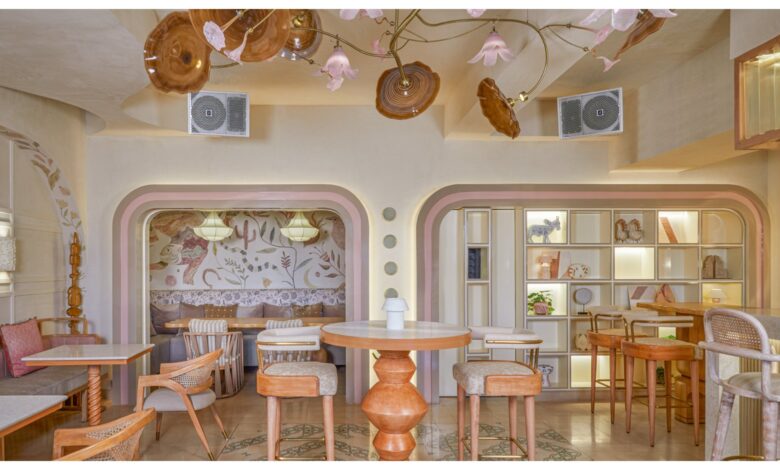
The physical room is also used more strategically than before. Seating plans are designed around revenue as well as comfort. Operators study how many covers fit without making service collapse. They test layouts that support delivery collection without disturbing diners. They think carefully about acoustics, lighting, traffic flow, and the placement of restaurant tables and chairs because the room now has to serve brand image, customer comfort, staff movement, and commercial efficiency at the same time.
The waiter’s role has changed too. In older restaurants, waiters often acted as the main guide through the meal. They described dishes, handled special requests, and paced the table manually. In modern restaurants, some of that function has shifted into systems. The waiter may now focus more on speed, issue handling, upselling, and maintaining tone while software handles ordering and billing. In stronger venues, that frees staff to be more attentive. In weaker ones, it turns service into little more than problem-solving.
Customer expectations are sharper than before. Guests expect detailed allergen knowledge, quick responses, easy payment, and immediate correction if something goes wrong. They are also more likely to share dissatisfaction publicly. A poor interaction that once stayed between one customer and one manager can now appear in a review that influences hundreds of potential guests.
The kitchen became more measured, more technical, and less intuitive
Back of house operations may have changed even more than the dining room. The older kitchen depended on craft, pace, discipline, and memory. Those qualities still matter, but modern kitchens also depend on screens, reports, standardised recipes, digital stock systems, and more precise cost control.
Kitchen display systems replaced many paper tickets. Instead of waiters pinning orders to a rail or shouting them into the pass, orders can arrive instantly on screens organised by course, table, and timing. That reduces lost tickets and improves coordination during busy service. It also changes how pressure feels in the kitchen. The rush is still there, but it is managed through a more technical structure.
Inventory management is far more detailed now. A restaurant can track how much stock should be on site, what was sold, what was wasted, and what needs reordering. Older restaurants often spotted shrinkage or over-ordering only after the damage was done. Modern systems make patterns easier to see. If chicken usage rises unusually fast or a popular dish suddenly drops in sales, managers can pick it up earlier.
Recipe standardisation is another major shift. Many older restaurants allowed more variation from cook to cook, especially in independent venues led by experienced chefs. That could produce charm and individuality, but it could also create inconsistency. Modern operators tend to lock recipes down more tightly, especially across multiple sites. Measurements, prep methods, plating, and portion sizes are documented in greater detail. This supports consistency and cost control, but it can reduce room for spontaneous judgement.
Equipment has advanced as well. Smart ovens, temperature monitoring tools, prep machines, vacuum sealing systems, and integrated refrigeration controls all support tighter kitchen management. In some cases, automation handles repetitive tasks that once tied up junior staff. This does not remove the need for skilled cooks, but it changes which skills matter most. Technical understanding, process discipline, and system awareness now sit alongside traditional culinary ability.
Labour pressure has pushed these changes further. Rising wage costs, staff shortages, and high turnover have forced restaurants to make kitchens easier to train and faster to run. Older kitchens often expected new staff to learn by shadowing senior chefs in a rough, high-pressure setting. Modern kitchens still use on-the-job learning, but many now rely on structured onboarding, digital recipe libraries, video guidance, and process checklists.
Restaurants now operate inside a digital market, not just a physical one
A restaurant used to compete mostly with places in the same high street, district, or town. Now it competes on search results, delivery platforms, social feeds, and rating apps. It is visible in far more places, and judged in far more ways.
Online ordering changed the business model profoundly. At first, takeaway was a separate part of the trade for many places. Now delivery can be a core revenue stream. That sounds like growth, but it comes with complications. Food must travel well. Packaging costs rise. Third-party platforms take commission. Kitchen flow becomes harder to manage when dine-in and delivery orders hit at once. A restaurant may look busy online while making poor margins on app-based orders.
Reviews changed power dynamics too. In the past, reputation spread through word of mouth, local press, or repeat trade. Modern restaurants live under constant public scoring. A single weak week, a staffing issue, or one unresolved complaint can damage perception quickly. Good operators monitor reviews closely, respond carefully, and look for patterns rather than reacting emotionally to each post.
Social media brought another layer. Restaurants now think about whether a dish photographs well, whether the room looks good in short video clips, and whether customers are likely to share the visit online. This has affected menu design, décor, plating, signage, and even lighting. Some restaurants have leaned too far into appearance and neglected substance. Others use visual appeal intelligently, treating it as part of modern hospitality rather than a replacement for it.
Customer data has become a real asset. Loyalty apps, email sign-ups, order histories, and reservation records allow restaurants to market with more precision. They can target quiet days, reward repeat guests, and identify which menu items encourage return visits. Older restaurants often knew their regulars personally, which had its own strength. Modern restaurants can know more at scale, though sometimes in a colder way.
Ghost kitchens and delivery-only brands show how far the model has shifted. A restaurant no longer needs a dining room to exist. It can operate from a production kitchen, trade under several brand names online, and build revenue without ever offering table service. That would have seemed strange decades ago, when a restaurant was defined first by its physical presence. Today, the term can describe very different business structures.
AI is pushing the next stage, but it is not replacing the fundamentals
AI is now entering restaurants in practical ways. It helps forecast demand, suggest staff scheduling, analyse sales trends, and identify which dishes perform poorly. Some tools support dynamic pricing, customer messaging, menu engineering, and stock prediction. Larger chains are using AI more aggressively, but smaller operators are beginning to access it through software they already use.
One clear use case is forecasting. Weather, local events, booking patterns, and past sales can all help predict covers and ordering levels. That matters because restaurants lose money when they overstaff, understaff, over-order, or run out of key items. Older restaurants relied on instinct formed through years of experience. That knowledge still matters, but AI tools can support it with faster pattern recognition.
AI also affects customer communication. Chatbots can answer simple booking questions. Automated messaging can confirm reservations, reduce no-shows, or promote special offers to past customers. Recommendation engines can suggest dishes or add-ons based on previous orders. These tools may improve convenience, but they also risk making the interaction feel generic if used badly.
Menu development may change as AI tools improve. Operators can already analyse contribution margin, popularity, prep time, and ingredient overlap more easily than before. AI may help them test pricing scenarios, spot hidden waste, and decide which dishes deserve more visibility. That could make menus sharper and more profitable. It could also encourage bland optimisation if every decision is based only on numbers.
There is also growing interest in computer vision and automation. Some quick service formats use AI-assisted drive-through ordering, smart cameras for stock checks, or machine learning to improve kitchen timing. In the coming years, more restaurants will trial automated prep, predictive staffing, and personalised marketing tied to customer data. Yet even with those tools, restaurants will not stop being human businesses.
People still go out to eat for reasons that technology cannot fully replace. They want celebration, comfort, novelty, social time, or a break from routine. A restaurant that becomes too automated may lose part of what makes dining out worth paying for. The challenge is not whether restaurants should use technology. They already do. The real question is how far they can modernise without flattening the personal side of hospitality.
Modern restaurants are clearly different from those of many years ago. They are faster, more measured, more visible, and more dependent on digital systems. They manage more channels, gather more data, and face more public scrutiny. Their staff need broader skills. Their kitchens are tighter. Their dining rooms are more engineered. Their marketing never really stops.
Older restaurants often offered stronger local identity and more direct human contact, but they also carried more inconsistency, weaker reporting, and slower decision-making. Modern restaurants gained precision, reach, and convenience, yet they also took on complexity, pressure, and a risk of becoming impersonal. The best operators understand both worlds. They use technology to sharpen the business, not to strip out its character. That balance is what separates a modern restaurant that merely functions from one that people actually want to return to.