Barbara Bargiel: Redefining Contemporary Cinema Through Bold Vision and Inclusive Storytelling
A deep exploration of Barbara Bargiel's journey, cinematic language, and growing influence on British and European film

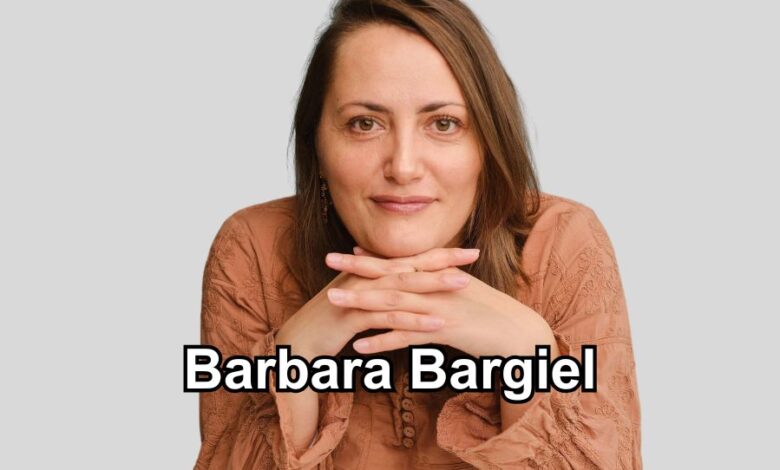
Barbara Bargiel is emerging as one of the most compelling voices in contemporary British and European cinema. A Polish–British filmmaker based in London, she represents a new generation of directors who blend personal experience with political awareness and formal experimentation. With more than two decades of creative practice, Barbara Bargiel has developed a filmmaking approach that is fearless, intimate, and socially engaged. Her work resonates with audiences seeking cinema that goes beyond entertainment and instead provokes reflection, empathy, and dialogue.
In an era where global conversations about representation and inclusion increasingly shape independent film, Barbara Bargiel stands out for her commitment to both artistic integrity and ethical production. Her growing recognition through initiatives such as BAFTA Connect and Sundance Collab has positioned her as a filmmaker whose influence is steadily expanding beyond national borders.
Early Life and Creative Foundations
Barbara Bargiel’s artistic identity is deeply informed by her Polish heritage and by her early immersion in visual and performance-based art. Long before stepping behind a film camera, she was exploring storytelling through photography, experimental installations, and performance art. These early experiences shaped her sensitivity to the human body, silence, and symbolic imagery, elements that later became central to her cinematic language.
Rather than following a conventional path into filmmaking, Barbara Bargiel arrived at cinema through interdisciplinary exploration. This background gave her a distinctive advantage, allowing her to approach film not merely as narrative construction but as a complete sensory and emotional experience. Her early work often revolved around themes of identity, isolation, justice, and moral tension, themes that continue to define her storytelling today.
London as a Creative and Professional Turning Point
Relocating to London marked a decisive moment in Barbara Bargiel’s career. The city’s diverse cultural landscape and thriving creative industries offered her both opportunities and challenges. Over the past twenty years, London has functioned as her creative base, providing access to collaborators, institutions, and audiences receptive to unconventional cinema.
Within the competitive British film environment, Barbara Bargiel has built a reputation for independence and resilience. She has consistently chosen to work on her own terms, prioritizing authenticity over commercial conformity. London also became the place where her commitment to inclusive filmmaking took practical shape, particularly through her decision to work with all-female crews whenever possible.
Thematic Identity: Women, Power, and Social Justice
At the heart of Barbara Bargiel’s work lies an unwavering focus on women’s experiences. Her films explore how women navigate systems of power, control, and expectation, often in environments shaped by bureaucracy, silence, or unspoken violence. Rather than presenting simplified narratives, she embraces complexity and emotional nuance.
Her short film Generic exemplifies this approach. Through minimal dialogue and a restrained visual style, the film examines alienation within an impersonal bureaucratic structure. The protagonist’s journey becomes a quiet yet powerful metaphor for reclaiming agency in a system designed to erase individuality. Other works, including Herstory and Coch Gwir, further interrogate gender roles, hidden histories, and the emotional cost of injustice.
Barbara Bargiel’s cinema does not offer easy answers. Instead, it invites the viewer to sit with discomfort, ambiguity, and reflection, making her films both challenging and deeply resonant.
Artistic Style and Genre-Bending Storytelling
One of the defining characteristics of Barbara Bargiel’s filmmaking is her refusal to be confined by genre. Her work frequently blends drama, surrealism, dark comedy, and elements of fantasy, creating narratives that move fluidly between realism and metaphor. This genre hybridity allows her to express complex psychological states and social critiques without relying on conventional storytelling formulas.
Films such as Poison demonstrate her willingness to confront the audience with unsettling imagery and symbolic tension. At the same time, Martin & The Magic Muffins reveals her ability to balance whimsy with emotional depth. In each case, genre serves the story rather than defining it, reinforcing her reputation as a filmmaker driven by intention rather than trend.
Commitment to Inclusion and Ethical Filmmaking
Beyond her on-screen narratives, Barbara Bargiel’s impact is strongly felt in her approach to production. Her decision to work with all-female crews is both a political and a practical response to the long-standing gender imbalance in the film industry. By creating sets where women occupy technical, creative, and leadership roles, she actively challenges entrenched norms.
Her inclusive philosophy extends further through her involvement with the BFI Skill-Up Mentoring Programme. Through this initiative, Barbara Bargiel has supported neurodiverse, deaf, and disabled creatives, reinforcing her belief that storytelling is richer when a diversity of voices is empowered to participate. This commitment is not symbolic; it is embedded in how she works, collaborates, and leads.
Growing Recognition and International Presence
As Barbara Bargiel’s body of work continues to grow, so does her recognition within professional and international circles. Participation in development platforms and global creative networks has expanded her reach, allowing her to engage with filmmakers and audiences beyond the UK. Her work aligns with a broader movement in European cinema that prioritizes personal authorship, social relevance, and formal experimentation.
Critics and peers alike increasingly recognize Barbara Bargiel as a filmmaker whose voice reflects the present moment while pushing cinema toward a more inclusive and reflective future.
Future Directions and Lasting Impact
Looking ahead, Barbara Bargiel is widely seen as a director poised to transition further into long-form storytelling while maintaining the artistic courage that defines her short films. Her influence already extends beyond individual projects, inspiring emerging filmmakers, particularly women, to assert creative control and ethical responsibility.
In an industry often shaped by commercial pressure, Barbara Bargiel’s career demonstrates that it is possible to remain uncompromising, socially conscious, and artistically innovative. Her work stands as a reminder that cinema can be both deeply personal and universally relevant.
Conclusion
Barbara Bargiel stands as a distinctive and influential voice in contemporary cinema. Through bold storytelling, genre experimentation, and a strong commitment to inclusion, she continues to challenge traditional filmmaking norms while amplifying underrepresented perspectives. Her work not only reflects artistic excellence but also signals a meaningful shift toward more ethical, diverse, and socially conscious cinema.
(FAQs)
Who is Barbara Bargiel?
Barbara Bargiel is a Polish–British filmmaker based in London, known for her genre-bending short films, focus on women’s stories, and commitment to inclusive filmmaking practices.
What themes define Barbara Bargiel’s films?
Her films commonly explore themes of gender, justice, identity, power, and transformation, often through minimalist or surreal storytelling techniques.
Why is Barbara Bargiel considered an important voice in contemporary cinema?
Barbara Bargiel is recognized for combining personal narrative with political awareness, challenging traditional film structures, and actively promoting gender and social inclusion within the industry.
What makes Barbara Bargiel’s filmmaking style unique?
Her work is characterized by genre fluidity, symbolic imagery, emotional restraint, and a strong ethical approach to production, including the use of all-female crews.
How does Barbara Bargiel support inclusion in filmmaking?
She supports inclusion by hiring women-led crews, mentoring underrepresented creatives, and participating in programmes that promote accessibility and diversity in film production.