Plum Tomatoes: The Ultimate Guide to Flavorful Sauces, Smart Storage, and Superior Cooking Results
Discover Why Plum Tomatoes Are the Secret Ingredient Behind Rich Italian Sauces and Perfect Homemade Dishes

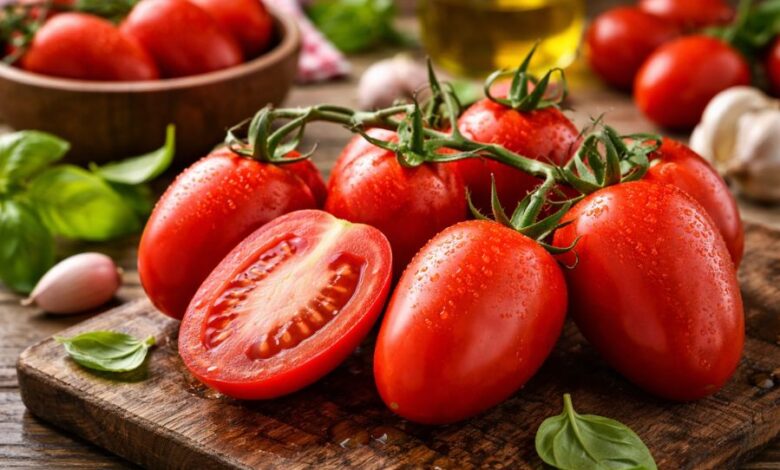
Plum tomatoes are among the most valued tomato varieties in kitchens around the world. Known for their oval shape, dense flesh, and low moisture content, these tomatoes are often called Roma or paste tomatoes. Unlike round globe tomatoes, plum tomatoes contain fewer seeds and thicker pulp, making them ideal for tomato sauce, pasta dishes, canning, and roasting.
Whether used fresh from the market or canned at peak ripeness, plum tomatoes deliver a deep, balanced flavour that enhances both simple and complex recipes. Their versatility and culinary strength have made them a staple in Italian cooking and a preferred choice for chefs and home cooks alike.
What Makes Plum Tomatoes Different from Other Tomatoes
Shape, Texture, and Structure
Plum tomatoes are easily recognised by their elongated, egg-like shape. Their interiors contain fewer seed cavities, or locules, resulting in a greater proportion of solid flesh. This structural difference is the main reason they produce thicker sauces compared to slicing tomatoes.
The skin of a plum tomato is typically firm yet thin enough to peel easily after blanching. Inside, the flesh is dense and slightly sweet, with lower water content than most fresh tomato varieties.
Flavor Profile
The flavour of plum tomatoes is rich, mildly sweet, and less acidic than many round tomatoes. When cooked, their natural sugars intensify, creating a deep, rich tomato flavour essential to traditional Italian pasta sauce, pizza sauce, and slow-simmered ragù.
Because they are less watery, they require less cooking time to reduce to a thick consistency. This characteristic not only improves texture but also concentrates flavour without the need for added tomato paste.
Fresh Plum Tomatoes in Everyday Cooking
Best Uses for Fresh Plum Tomatoes
Fresh plum tomatoes are perfect for roasting, grilling, sautéing, and making homemade tomato sauce. Their firm texture helps them retain their shape during cooking, making them excellent for baked dishes like lasagna or stuffed tomatoes.
When sliced raw, ripe plum tomatoes can also be used in salads, sandwiches, and bruschetta. However, they shine brightest in cooked applications where their dense flesh transforms into a velvety sauce.
Selecting High-Quality Plum Tomatoes
When shopping for fresh plum tomatoes, choose fruits that feel heavy for their size. The skin should be smooth, vibrant, and free from wrinkles or dark spots. A ripe plum tomato will have a subtle sweet aroma near the stem and yield slightly when gently pressed.
Avoid tomatoes that are overly soft or pale, as they may lack flavour. For best results, store them at room temperature until fully ripe.
Canned Plum Tomatoes: The Gold Standard for Sauce
Why Canned Plum Tomatoes Are Highly Valued
Canned plum tomatoes are often harvested and preserved at peak ripeness. This process locks in their natural sweetness and rich flavour. Many chefs consider canned whole peeled plum tomatoes superior to out-of-season fresh tomatoes because they maintain consistent quality year-round.
San Marzano tomatoes, a famous Italian variety of plum tomatoes, are especially prized for their balanced acidity and naturally sweet flavour. Grown in volcanic soil, they are widely used in authentic Italian recipes.
Whole, Crushed, or Pureed
Canned plum tomatoes are available in whole, crushed, or pureed forms. Whole peeled tomatoes offer the most flexibility, as they can be crushed by hand for rustic sauces or blended for smoother preparations. Crushed tomatoes provide convenience, while tomato puree creates a silky base for soups and stews.
Regardless of the form, canned plum tomatoes deliver reliable results for pasta sauce, marinara, pizza toppings, and slow-cooked dishes.
Nutritional Benefits of Plum Tomatoes
Rich in Essential Nutrients
Plum tomatoes are low in calories and high in vitamins and antioxidants. They are an excellent source of vitamin C, potassium, and folate. One of their most powerful nutrients is lycopene, a natural antioxidant linked to heart health and reduced inflammation.
Cooking plum tomatoes increases the availability of lycopene, so tomato sauce and canned tomatoes can provide even greater nutritional benefits than raw tomatoes.
A Healthy Addition to Any Diet
Because they are naturally low in fat and cholesterol-free, plum tomatoes fit well into heart-healthy and Mediterranean diets. Their fibre content also supports digestion and overall wellness.
How to Store Plum Tomatoes Properly
Storing Fresh Plum Tomatoes
Fresh plum tomatoes should be kept at room temperature, away from direct sunlight. Refrigeration can damage their texture and diminish flavour, leading to a mealy consistency. Only refrigerate them if they are fully ripe, and you need to prevent spoilage for a short period.
Storing Canned Tomatoes
Unopened canned plum tomatoes can be stored in a cool, dry place for months. Once opened, transfer unused tomatoes to an airtight container and refrigerate. They should be consumed within a few days for optimal taste.
Cooking Techniques That Enhance Flavour
Roasting for Deeper Taste
Roasting plum tomatoes intensifies their sweetness and adds slight caramelisation. When baked with olive oil, garlic, and herbs, they develop a concentrated flavour that elevates pasta dishes and soups.
Slow Simmering for Classic Sauce
A slow simmer allows plum tomatoes to break down gradually, releasing their natural sugars and thickening naturally. This method is essential for traditional Italian tomato sauce and hearty ragù.
Blanching for Easy Peeling
To peel fresh plum tomatoes, score a small cross at the base and blanch them briefly in boiling water. After transferring to ice water, the skins slide off effortlessly, making them ready for smooth sauces or canning.
Plum Tomatoes in Global Cuisine
Although strongly associated with Italian cuisine, plum tomatoes are widely used in Spanish, Mediterranean, and Middle Eastern cooking. They form the base of shakshuka, Spanish sofrito, and countless tomato-based stews.
With plum tomatoes, their versatility extends beyond savoury dishes. In some cultures, tomato jam and chutney are made with plum tomatoes for their dense texture and balanced sweetness.
Growing Plum Tomatoes at Home
Plum tomato plants are relatively easy to grow in warm climates or sunny gardens. They require well-drained soil, consistent watering, and strong sunlight. A wide variety of determinate plants produce fruit over a concentrated period, making them ideal for batch cooking and canning.
Homegrown plum tomatoes often deliver superior flavour compared to store-bought varieties, especially when allowed to ripen fully on the vine.
Conclusion
Plum tomatoes stand out as one of the most practical and flavorful tomato varieties available. Their meaty texture, low moisture content, and rich taste make them essential for homemade sauces, Italian cuisine, and preserved recipes. Whether used fresh, roasted, or canned, plum tomatoes consistently deliver depth and quality in cooking.
Understanding how to select, store, and prepare plum tomatoes ensures better results in the kitchen. With their nutritional benefits, culinary versatility, and global popularity, plum tomatoes truly deserve their reputation as the foundation of exceptional tomato-based dishes.
(FAQs)
What are plum tomatoes best used for?
Plum tomatoes are best used for making tomato sauce, marinara, pizza sauce, and canning. Their low water content and dense flesh create thicker, richer sauces.
Are Roma tomatoes the same as plum tomatoes?
Roma tomatoes are a type of plum tomato. While all Roma tomatoes are plum tomatoes, not all plum tomatoes are Roma varieties.
Can plum tomatoes be eaten raw?
Fully ripe plum tomatoes can be eaten raw. They work well in salads and sandwiches, although they are most valued for cooking.
Why are canned plum tomatoes often better than fresh ones?
Canned plum tomatoes are processed at peak ripeness, preserving their flavour and consistency. During the off-season, they often taste better than fresh supermarket tomatoes.
Do plum tomatoes need to be refrigerated?
Fresh plum tomatoes should be kept at room temperature until ripe. Refrigeration can affect texture and flavour.