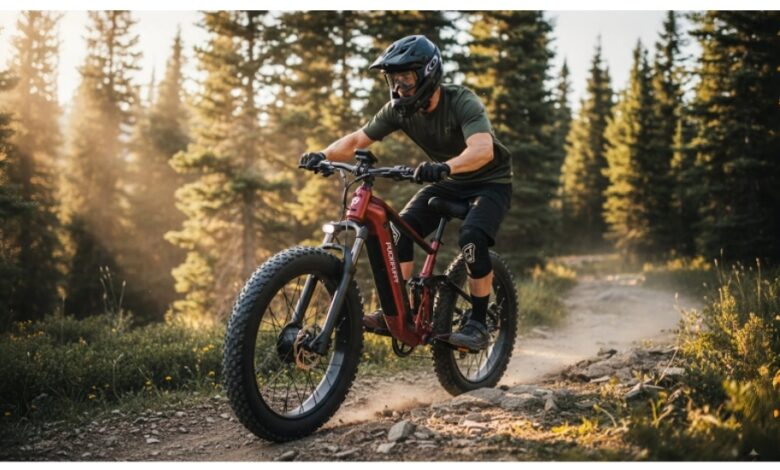
If you’re thinking about buying an electric bike, one of the first questions you’ll probably ask is simple: how much should you actually spend on an e-bike? Prices can range widely—from under $1,000 to well over $5,000—so understanding what you’re paying for can make the decision much easier.
The truth is that the “right” price depends on how you plan to use the bike. A casual rider who only rides on weekends may not need the same features as someone who relies on an e-bike for daily commuting. Instead of focusing only on price, it’s helpful to think about value, reliability, and how well the bike fits your routine.
By looking at what different price ranges typically offer, riders can find a realistic budget that balances performance, quality, and long-term usability.
Understanding the Typical E-Bike Price Range
E-bikes cover a broad spectrum of prices because they combine traditional bicycle components with electric technology. Motors, batteries, electronics, and frame materials all contribute to the overall cost.
Most e-bikes fall into four general price categories:
- Entry-level: $800 – $1,500
- Mid-range: $1,500 – $3,000
- Premium: $3,000 – $5,000
- High-end specialty models: $5,000+
Each category offers a different balance of performance, durability, and technology. For most riders, the best value tends to fall somewhere in the middle of this range.
What Makes Some E-Bikes More Expensive
The price of an e-bike is largely determined by its key components. These include the battery, motor system, frame design, and overall build quality.
Battery Capacity
The battery is one of the most expensive components of an e-bike. Larger batteries can store more energy and deliver a longer riding range, but they also increase the bike’s price and weight. Battery size is typically measured in watt-hours (Wh), which indicates how much power the battery can hold.
Larger batteries allow riders to travel longer distances between charges, but they also add weight to the bike. Modern e-bike batteries can weigh anywhere from about 1.4 to 5 kilograms depending on capacity.
weight_2
Motor System
The motor is another important factor affecting price. Higher-quality motors tend to deliver smoother power assistance and better efficiency. Motor systems also vary in placement, with hub motors located in the wheel and mid-drive motors positioned near the pedals.
Mid-drive motors often cost more because they provide better weight distribution and a more natural riding experience.
Frame and Components
The frame material and components also affect the overall cost of an e-bike. Aluminum frames are common and relatively affordable, while carbon fiber frames are lighter but significantly more expensive.
Other components—such as brakes, suspension, gears, and wheels—can also influence price. Higher-end parts typically improve performance and durability, but they add to the cost.
Entry-Level E-Bikes: Affordable but Basic
Entry-level e-bikes typically cost between $800 and $1,500. These bikes often use simpler motor systems and smaller batteries, which help keep the price lower.
For riders who plan to use an e-bike occasionally—such as for leisure rides or short errands—entry-level models can be perfectly adequate. They usually provide enough electric assistance to make riding easier while remaining relatively accessible in price.
However, these bikes may have limitations. Components may be less durable, batteries may offer shorter range, and long-term reliability may not match higher-end models.
For frequent commuters, spending a little more often leads to a better overall experience.
Mid-Range E-Bikes: The Best Balance for Most Riders
Most riders find the best value in the $1,500 to $3,000 range. In this category, manufacturers typically offer better batteries, improved motor systems, and more durable components.
These bikes are often designed for everyday use, making them ideal for commuting, city travel, and regular riding.
Mid-range commuter e-bikes usually include practical features such as:
- Integrated lighting
- Rear cargo racks
- Improved braking systems
- More comfortable riding geometry
For riders planning to use an e-bike frequently, this price range often provides the most balanced combination of cost and quality.
Premium E-Bikes: Advanced Features and Performance
Premium e-bikes typically range from $3,000 to $5,000. These models often include advanced motor systems, larger batteries, and lighter frame materials.
Premium bikes may also offer improved suspension systems, higher-end drivetrains, and more refined design features.
These bikes are often designed for specific purposes, such as high-performance commuting, long-distance touring, or off-road riding.
For enthusiasts who want top-tier performance or specialized capabilities, the higher price may be justified.
However, many riders may not need all the advanced features included in premium models.
Why the Cheapest Option Isn’t Always the Best
While it may be tempting to choose the lowest-priced option, extremely inexpensive e-bikes sometimes involve trade-offs. Lower-quality components may wear out faster, and battery performance may decline sooner.
In some cases, riders who purchase very cheap e-bikes end up replacing them sooner than expected.
Spending slightly more on a well-built model can often provide better reliability and a longer lifespan. In the long run, this can make the bike a better investment.
How Usage Should Guide Your Budget
One of the best ways to decide how much to spend is to think about how often you’ll use the bike.
If you plan to ride only occasionally, an entry-level e-bike may be sufficient. However, if you expect to ride several times per week—or daily—a more durable bike is usually worth the extra investment.
For commuters who rely on their e-bike regularly, reliability becomes extremely important. A well-built bike reduces maintenance problems and provides a more consistent riding experience.
Weight and Practicality Considerations
Weight is another factor that often influences both price and usability. E-bikes are generally heavier than traditional bicycles because they include motors and batteries. The average electric bike weighs around 20–25 kilograms (44–55 pounds).
weight_3
Heavier bikes often include larger batteries or more powerful motors, which can increase range and performance. However, lighter bikes may be easier to handle, especially for urban riders who need to carry their bike upstairs or store it in small spaces.
Finding the right balance between weight, performance, and price is part of choosing the right e-bike.
The Importance of Test Riding
Because e-bikes vary widely in design and feel, test riding a bike before purchasing can be extremely helpful. Riding a few different models allows you to compare how different motors respond, how comfortable the riding position feels, and how easy the bike is to handle.
A bike that feels natural and comfortable will likely provide a better long-term experience than one chosen purely based on price or specifications.
Many bike shops and brands offer demo rides or trial programs that allow riders to evaluate different options.
Finding the Right Value for Your Needs
For most riders, the best strategy is not to aim for the cheapest or most expensive option. Instead, focus on finding a bike that delivers reliable performance, good battery range, and comfortable riding characteristics.
Many commuter-focused brands, including Puckipuppy, aim to provide this balance by offering practical city e-bikes designed for everyday use without pushing prices into the premium range.
By focusing on usability rather than extreme performance, these bikes aim to provide good value for riders who plan to use their e-bike regularly.
Conclusion
So how much should you really spend on an e-bike? The answer depends largely on how you plan to use it. Casual riders may find that entry-level models meet their needs, while daily commuters often benefit from investing in a mid-range bike with stronger components and better reliability.
In general, many riders find the $1,500 to $3,000 range offers the best balance of cost, performance, and durability.
Ultimately, the right e-bike is the one that fits your routine and encourages you to ride more often. When the bike matches your needs and feels comfortable to ride, the investment can quickly become worthwhile—both as a practical transportation tool and as an enjoyable way to move through the city.